
Emergency Care
Timing Matters
Dental emergencies can be unsettling. Knowing what to do in the first few minutes can sometimes make a meaningful difference.
If you are experiencing a dental emergency, please contact our office. We will help determine the appropriate next step and, when possible, arrange an emergency evaluation.
Chipped or Broken Tooth
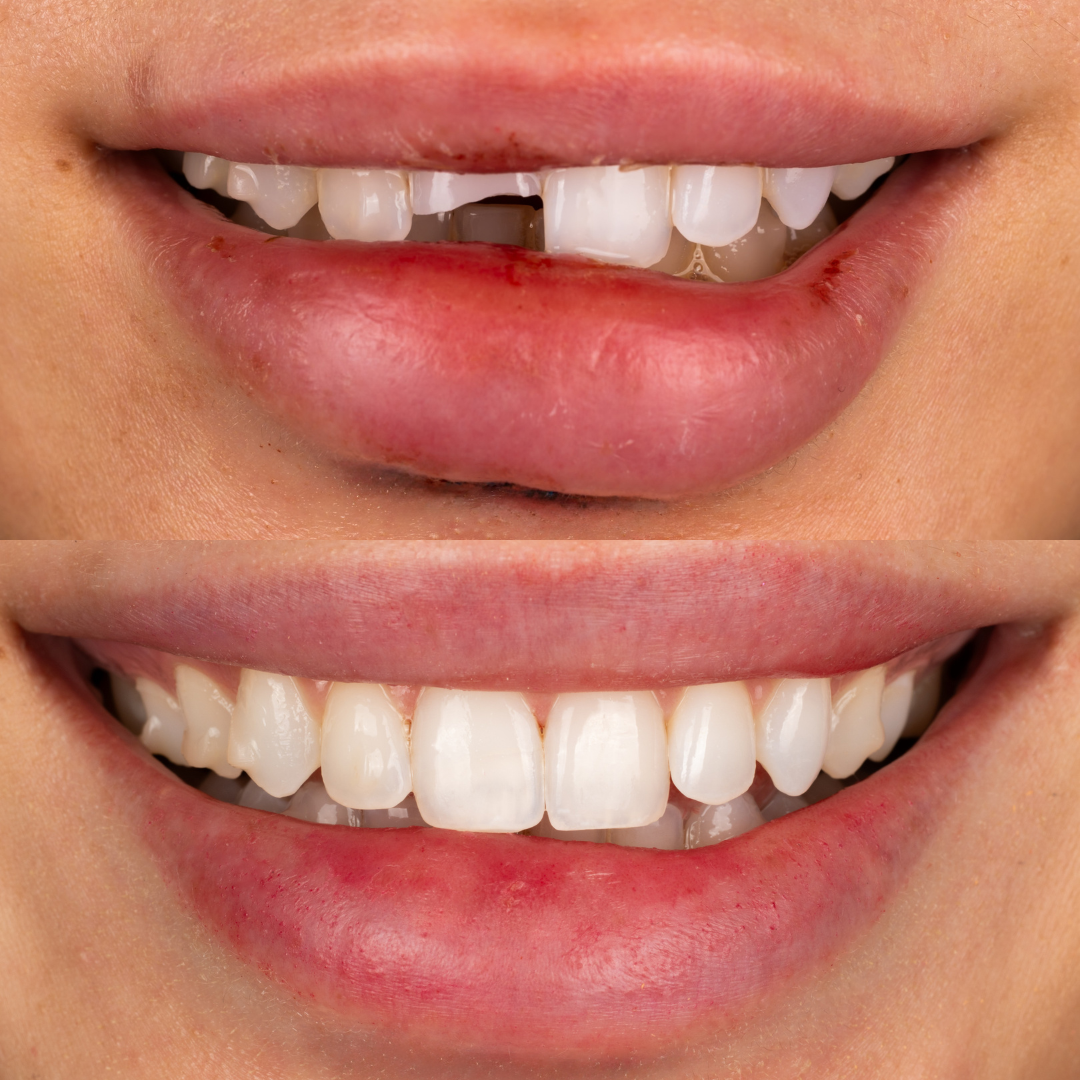
If you can locate the broken piece of tooth, save it and bring it with you. In some cases, the natural tooth fragment can be bonded back into place. Keep the fragment clean and moist. Avoid chewing on the affected tooth until it has been evaluated.
Even a small chip may extend deeper than it appears, particularly after trauma. An examination and appropriate X-rays can help determine whether the tooth, root, or surrounding structures have been affected.
Knocked-Out Permanent Tooth
A knocked-out permanent tooth is time-sensitive. Handle the tooth by the crown, not the root. If it is dirty, gently rinse it without scrubbing or removing attached tissue. If possible, place the tooth back into its socket and hold it gently in position.
If you cannot reinsert it, keep the tooth moist in cold milk or an appropriate tooth-preservation solution and seek dental care immediately. Do not allow the tooth to dry out.
Baby teeth should not be replanted.
Toothache or Severe Dental Pain
Dental pain can have many causes, including decay, a cracked tooth, inflammation of the nerve, infection, or problems involving the gums or supporting tissues.
Avoid placing aspirin or other medications directly against the tooth or gums. Contact our office so the source of the pain can be properly diagnosed rather than simply masked.
Facial Swelling
Swelling of the gums, jaw, or face may indicate an infection and should be evaluated promptly.
Please contact our office for guidance. If swelling is rapidly increasing, extends toward the eye or neck, or is accompanied by difficulty breathing or swallowing, fever, significant illness, or other concerning symptoms, seek immediate medical attention at an emergency department.
Lost Crown or Temporary
If a crown or temporary restoration comes off, save it and contact our office. Avoid chewing on the affected tooth, as it may be sensitive or more vulnerable to fracture.
Do not use household glue or other non-dental adhesives to replace it.
Dental Trauma
A fall, collision, or blow to the face can injure a tooth even when nothing appears visibly broken.
Teeth that become loose, displaced, painful to bite on, or sensitive after an injury should be evaluated. Dental trauma may affect the tooth, root, supporting bone, or nerve, and some changes do not become apparent immediately.
Bleeding
Apply firm, continuous pressure to the area with clean gauze for at least 15–20 minutes. Avoid repeatedly removing the gauze to check the site, as this can disrupt clot formation and restart bleeding.
If possible, remain upright and avoid vigorous rinsing, spitting, or strenuous activity while the area is bleeding. If bleeding is heavy, does not begin to slow with sustained pressure, or follows significant facial or oral trauma, seek urgent medical attention. Patients taking blood thinners or with a known bleeding disorder should contact their dental or medical provider promptly if bleeding is persistent or difficult to control.
When to go to the emergency department
Most tooth-related emergencies are best evaluated by a dentist. However, some situations require immediate medical care.
Seek emergency medical attention for difficulty breathing or swallowing, rapidly progressive facial or neck swelling, uncontrolled bleeding, significant facial trauma, loss of consciousness, or other symptoms that may be life-threatening. If a medical emergency occurs after hours, please seek care at your nearest emergency department.