

Airway Dentistry & Sleep Apnea
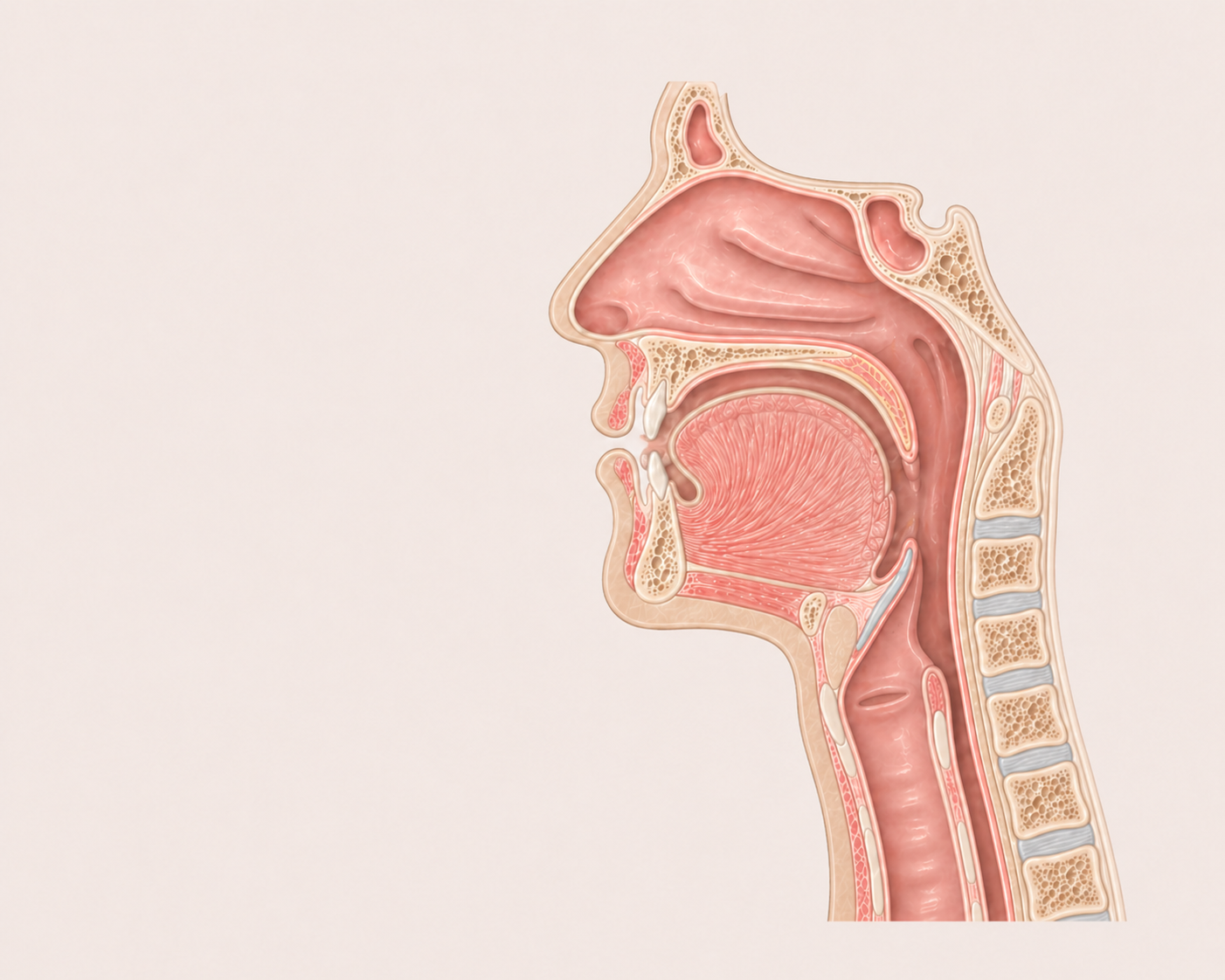
Breathing as Foundation
Airway dentistry looks beyond the teeth to consider something even more foundational: how well you breathe. Breathing should be effortless, especially during sleep. For many people, it’s compromised in ways they may not recognize. Signs like snoring, clenching or grinding (resulting in teeth wear), restless sleep, fatigue, and difficulty focusing can all point to an underlying airway issue.
Sleep-Disordered Breathing
Obstructive sleep apnea (OSA) and upper airway resistance syndrome (UARS) represent different degrees of airway restriction. OSA involves temporary pauses in breathing, while UARS is characterized by a subtle narrowing that disrupts sleep architecture, often without noticeable drops in oxygen.
Systemic Health Implications
Even though these conditions may not always seem severe at first, their impact builds over time. Poor-quality sleep can take a toll on nearly every system in the body, contributing to issues like high blood pressure, heart disease, blood sugar imbalances, anxiety, and brain fog. The link between airway health and overall health is well documented, which is why early detection and proper treatment can make such a meaningful difference.
Oral Signs of Sleep-Disordered Breathing
As dental professionals, we’re in a unique position to identify subtle signs of compromised airway function. Features such as narrow arches, a scalloped tongue, recessed jaw structures, and wear from clenching or grinding can indicate an airway that's working too hard.
Diagnosis
While dentists are in a unique position to recognize signs suggestive of airway restriction or sleep-disordered breathing, a definitive diagnosis is made by a physician. This is established through a sleep study, which may be conducted in a laboratory or at home. The study monitors breathing patterns, airflow, oxygen saturation, heart rate, and sleep stages throughout the night, allowing for identification of disruptions such as apneas or hypopneas and assessment of their frequency and severity.
Treatment
Continuous positive airway pressure (CPAP) remains the gold standard for moderate to severe cases. For milder presentations, or when CPAP is not well tolerated, a custom oral appliance may be offered. These devices are fabricated with our office to support the airway during sleep, with referral for further evaluation when appropriate.